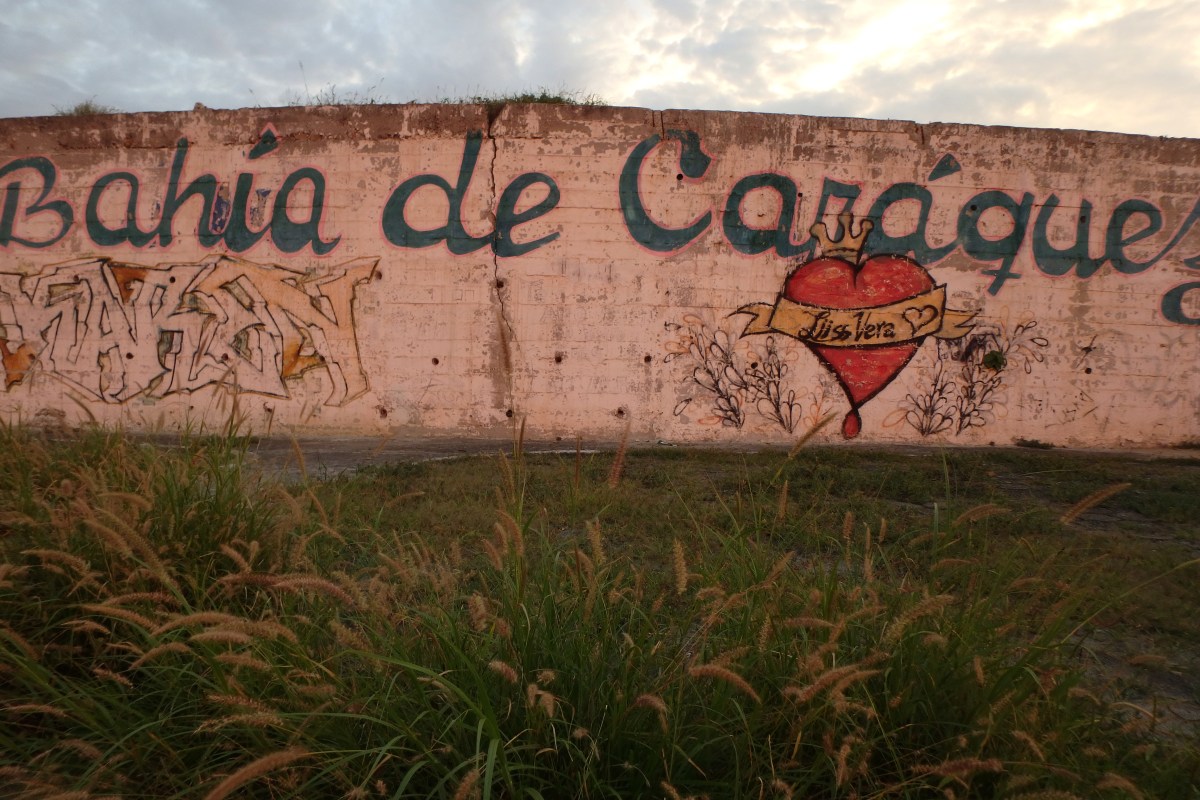
A little over two months ago I moved to the quiet yet productive beach town of Bahia de Caraquez. The 20,000 people who live there seemed to subsist on agriculture, fishing, and selling food and artisanal goods in the market or in their small tienda.
I initially moved to Ecuador to work as an educational trip leader for an organization called the GSE, the Global Student Embassy. As soon as I arrived I was blown away

by the beautiful bamboo house I’d be living in, the absolutely brilliant red sunsets each night over the ocean, and the warmth of the people I met along the way. I especially loved the .25 cent chocolate covered bananas called empasatados that could be purchased while walking up the hill to the beloved bamboo Casa Gorda.
The next two months passed quickly, as I eagerly learned and led two university and two high school groups on week-long reforestation based trips around the Western Manabi region of Ecuador. My job came easily as teaching people about environmental issues comes second nature, working with plants and the earth is a hobby, and traveling is something I’ve been doing since before I could walk. I quickly came to feel like I was living the dream and had found my calling less than a year out of college.

And then the deadliest earthquake since Peru’s 2007 quake hit and Bahia was entirely destroyed. My job went from building the next generation of leaders to gathering essential resources and providing aide for the communities in Manabi who did not have access or had not yet received government assistance. Due to the limits of my Spanish speaking skills, I did not jump directly into a coordinating role. I did, however, provide support, manpower, will, and passion to the devoted group of people I worked with for the GSE. Moncho Cedeño, the National Director of GSE, kept things moving with his immense energy, his truck, and his ever-present good nature. Chris Kaempf and Joselin Hernández, with their extensive network in the community and strong leadership skills, immediately hit the ground running with relief efforts. Between these three incredible individuals and my support, we were able to start providing food and water within 48 hours of the earthquake to those who desperately needed it.
As we visited the worst hit communities, we saw that the vast majority of homes were at least damaged if not entirely

destroyed. People were living in the streets or in community camps in parks. We would visit a community, census its population, and return with the food and water we had gathered (typically from cities an hour or more away) and rationed for each family. If there wasn’t enough food
for each family, we would consult our list as to which families were in the most dire situation (house destroyed, no food, etc.), and give to them first. Clearly, when certain families did not receive a package from us they were disappointed, but they still thanked us for the work we did and for being there for their community.
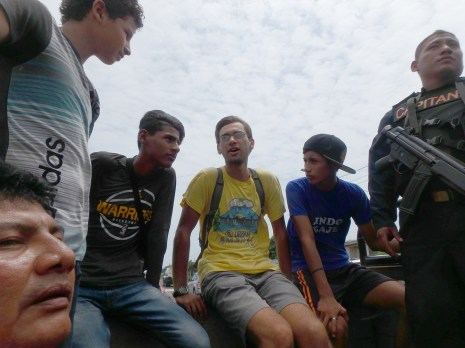
We soon realized it would be difficult, if not impossible to host future GSE groups in our usual fashion. The local community currently needs all the food and water that will be brought to Bahia in the coming months, and the citizens will be focusing on reconstructing their homes and their city. Groups of 20 students coming through would be a distraction and major burden on resources.
By not hosting groups, the local GSE staff can focus its relief efforts followed by the next steps. The first to come will be consulting a bamboo expert to build a model home in the community for people to model their future earthquake-resistent homes. We had noticed a trend that houses made from bamboo and wood (like casa gorda) were often left standing while the ones that were destroyed were generally the concrete and brick ones. As things progress, the GSE will also be considering how it can help improve the overall economy of Bahia and the Manabi region in the long-run by potentially employing its citizens or through other means rather than simply providing the essentials for them.
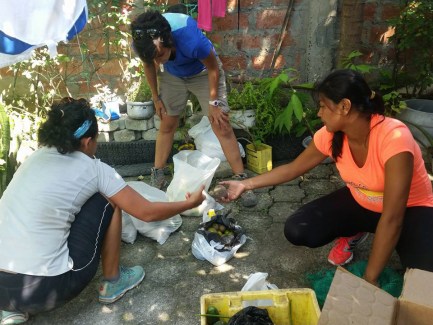
One day while working on food rations, I received a call from Chrissy with the GSE informing me that the upcoming trips would be moved to Panama, and requesting that I relocate in order to lead the trips there. I thought about it for a number of hours, and agreed to this new proposition. It was a difficult transition, as I know that even without me being in Bahia, the community would be fine. They will achieve what they need to achieve. But I still wanted to help in whatever way I could, and the fact that I could simply jump on an airplane and leave a difficult situation made my work and presence there seem artificial. After all, I’d built relationships, immersed myself in their community, and then I just up and left. How cruel and privileged I felt as my airplane took off and took me the short two-hour flight to Panama City.


What I did learn from this horrifying yet natural experience was the value of resilience, community support, and a strong network. The GSE’s mission is to build global youth leaders through eco-action oriented programs. Through this, they inspire and help American students empower themselves through a variety of action-oriented projects abroad and encourage them to move forward with leadership work as they move forward with their lives. At the same time, the local Eco-Clubs in Bahia are leaders who teach the American Students about their viveros (greenhouses) that they constructed, how to transplant saplings, and are involved in the reforestation process.
As a direct result of this work, when the Earthquake hit, the GSE already had an effective network of individuals who were used to taking action and were spread out across the local region. Due to this, Joselyn was able to coordinate the Eco-Club students to acquire a census of their communities and report back to her with the local situation and needs. When it came time to acquire resources, unload trucks, and ration and distribute food, we could count on the Eco-Club students to be there to help with these important tasks. And even though I’m not there to witness it, I know that they’re still working hard to do what they can for their community.
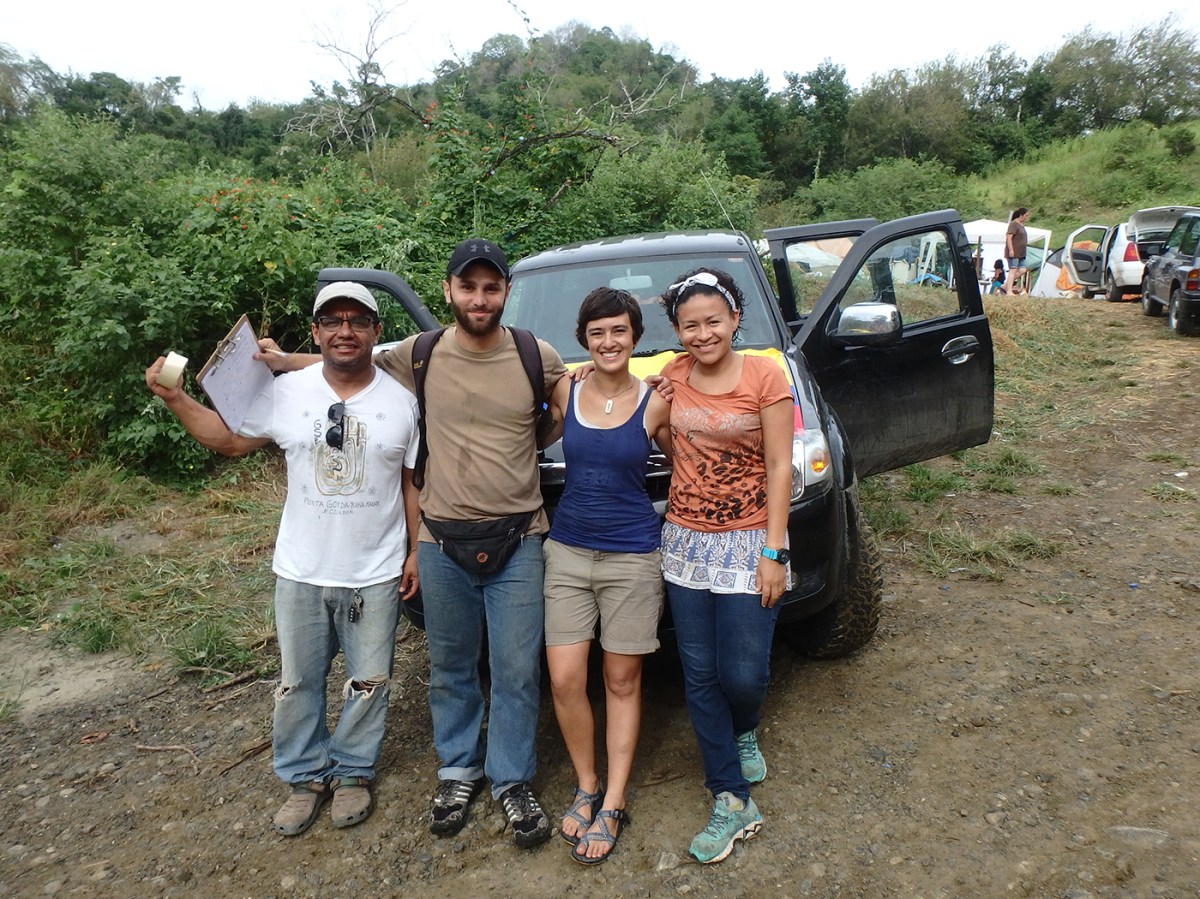
Though this terremoto (earthquake) was disastrous, this strong-willed community will bounce back, in part due to the efforts of Moncho and his determined GSE team. Out of everything the GSE has done, one thing is certain: their model works. They partner local and foreign students, build leaders, and when they are needed, the new leaders can be counted on to act to complete necessary tasks. This is the most incredible thing of all. Community resilience through strong relations.
 A Sustainable Penny